


15 Dec, 2025
By: Dr Angela Schug and Dr Stefanie Preuss, One Health and Agroecology Project
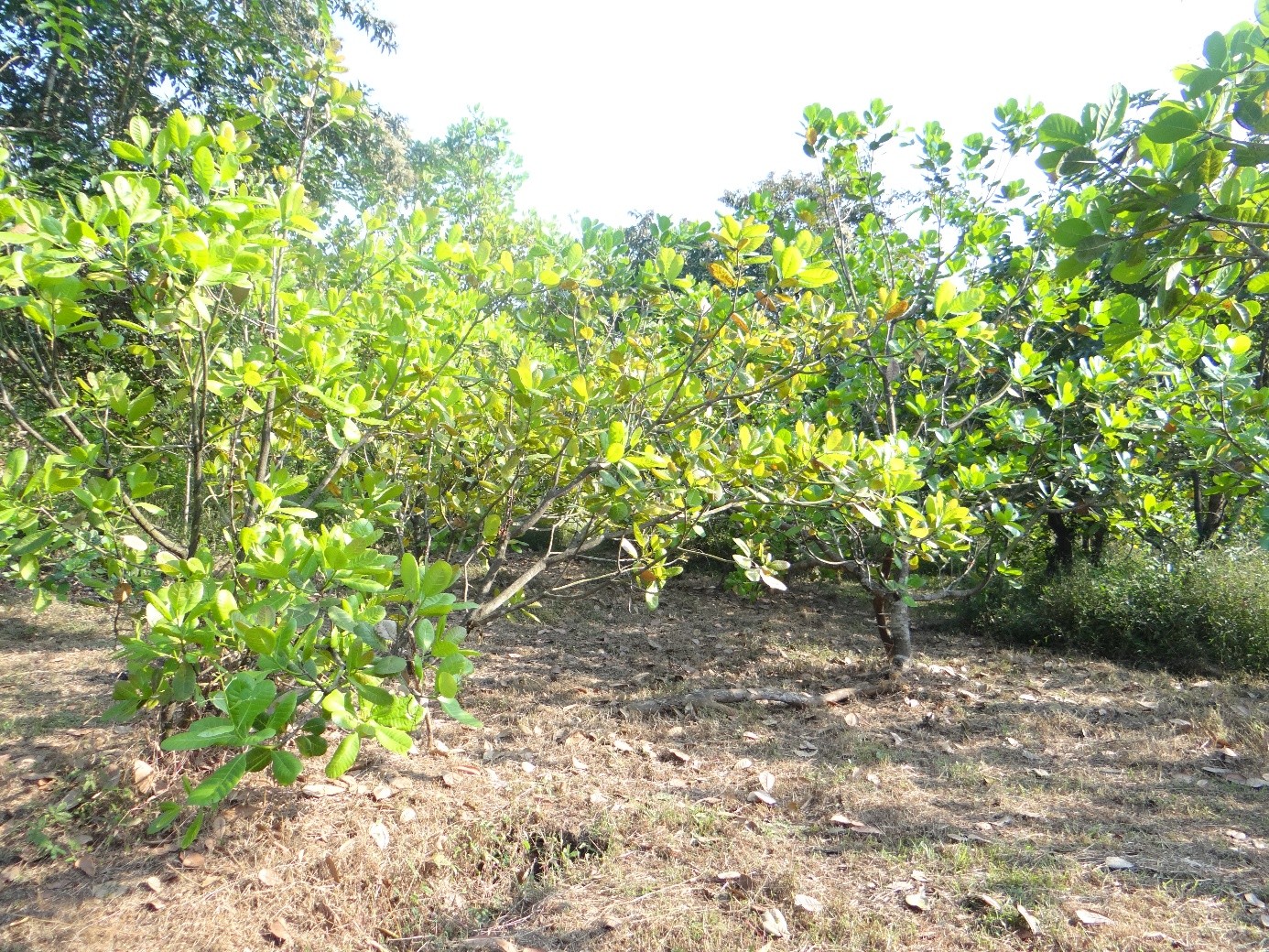
Planning to explore Goa’s forests on a trek this New Year? As you head for scenic trails and waterfalls, remember that this is also the season for Kyasanur Forest Disease (KFD).
While forests are indeed beautiful, it's important to note that they can also be home to various health risks. In the case of Goa, KFD is a notable example. KFD is a viral disease that circulates among ticks and wild animals. Among animals, monkeys are most noticeably affected, they often fall visibly sick and may die after an infection. Because of this, the disease is sometimes called “monkey fever,” and sudden monkey deaths can serve as an early warning of KFD activity in the area. Humans mostly become infected when bitten by ticks carrying the virus.
In Goa, most human cases have occurred among people who live or work close to forests. Tourists are mainly at risk when they enter forests or forest fringes, particularly between January and March, when tick activity is highest. As plantations, trails, and settlements expand closer to forest areas, the chances of contact between people and infected ticks also rise, making awareness and prevention essential.
Although KFD remains rare for casual forest visitors, it can be serious. Symptoms usually appear within a week of a tick bite and include high fever and body ache. Severe cases can be life-threatening, which makes awareness and early prevention the best defence.
Protecting yourself from KFD mainly involves a few simple precautions before, during, and after visiting forested areas. When entering forests, wearing long sleeves, full-length pants, and closed shoes helps reduce the chance of tick bites. Applying tick repellents on exposed skin adds extra protection. While in forested or grassy areas, it’s safer to stay on cleared paths and avoid brushing against dense vegetation. Dead monkeys or other wild animals should not be touched; if you see any, inform forest officials so they can investigate. After returning, check your body carefully for ticks, then bathe and wash your clothes to remove any that might remain. If you develop fever, tiredness, or weakness within two weeks of a forest visit, it’s important to seek medical attention and mention your recent visit and possible tick exposure.
While these personal precautions are crucial, protection against KFD is not only an individual responsibility. It requires coordinated efforts that link human, animal, and environmental health: the core idea behind the One Health approach. This concept, celebrated globally every year on One Health Day (November 3), recognises that the wellbeing of people, animals, and ecosystems are closely connected.
In Goa, this approach is actively put into practice through the One Health & Agroecology Project, a joint initiative of the Indian and German governments. The project supports the collaboration between several state departments, namely the State Biodiversity Board, Department of Environment and Climate Change, Forest Department, Department of Animal Husbandry and Veterinary Services and Directorate of Health Services to strengthen surveillance of ticks, promote early disease detection, establish clear outbreak response procedures, and raise community awareness.
“We are working together across departments to control KFD risks effectively, and make people more aware”, said Dr Pradip Sarmokadam, Member Secretary of the Goa State Biodiversity Board. “This teamwork helps to keep both, Goa’s people and its wildlife healthy”
As Goa’s KFD season begins now, tourists can protect themselves by staying informed, following simple precautions, and avoiding off-trail areas where the risk for tick bites is highest.
We would like to hear from you. Write to us by clicking on the feedback button on top.
© 2014 IGBP. All Rights Reserved.
Site By: Virtualpages
