


26 Jan, 2026
By: Yaiphaba Akoijam, Forestry and Biodiversity Advisor, GIZ
Wetlands rarely command daily headlines, yet they are among the most productive and threatened ecosystems on Earth. From mangroves and marshes to floodplains, peatlands, and high-altitude lakes, wetlands quietly underpin biodiversity, water security, climate resilience, and livelihoods for millions. Today, as climate risks intensify and cultural knowledge systems erode, the case for their sustainable and integrated management has never been stronger.
.png) A fisher hauling its net at the Pichavaram Mangroves © GIZ/Yaiphaba Akoijam
A fisher hauling its net at the Pichavaram Mangroves © GIZ/Yaiphaba Akoijam
According to the Global Wetland Outlook of the Ramsar Convention, we continue to lose wetlands at a rate of 0.52% annually. Despite covering only about 6% of the Earth’s land surface, wetlands support 40% of all plant and animal species and provide ecosystem services up to $39 trillion each year (Ramsar Convention Secretariat). These services include water purification, flood regulation, shoreline stabilisation, carbon storage, and food security.
Wetlands are also climate allies. Peatlands alone store twice as much carbon as all the world’s forests combined, while coastal wetlands such as mangroves can sequester carbon up to four times faster than terrestrial forests. At the same time, they act as natural buffers against extreme events absorbing floodwaters, reducing storm surges, and moderating drought impacts. Yet these benefits are often invisible until they are lost.
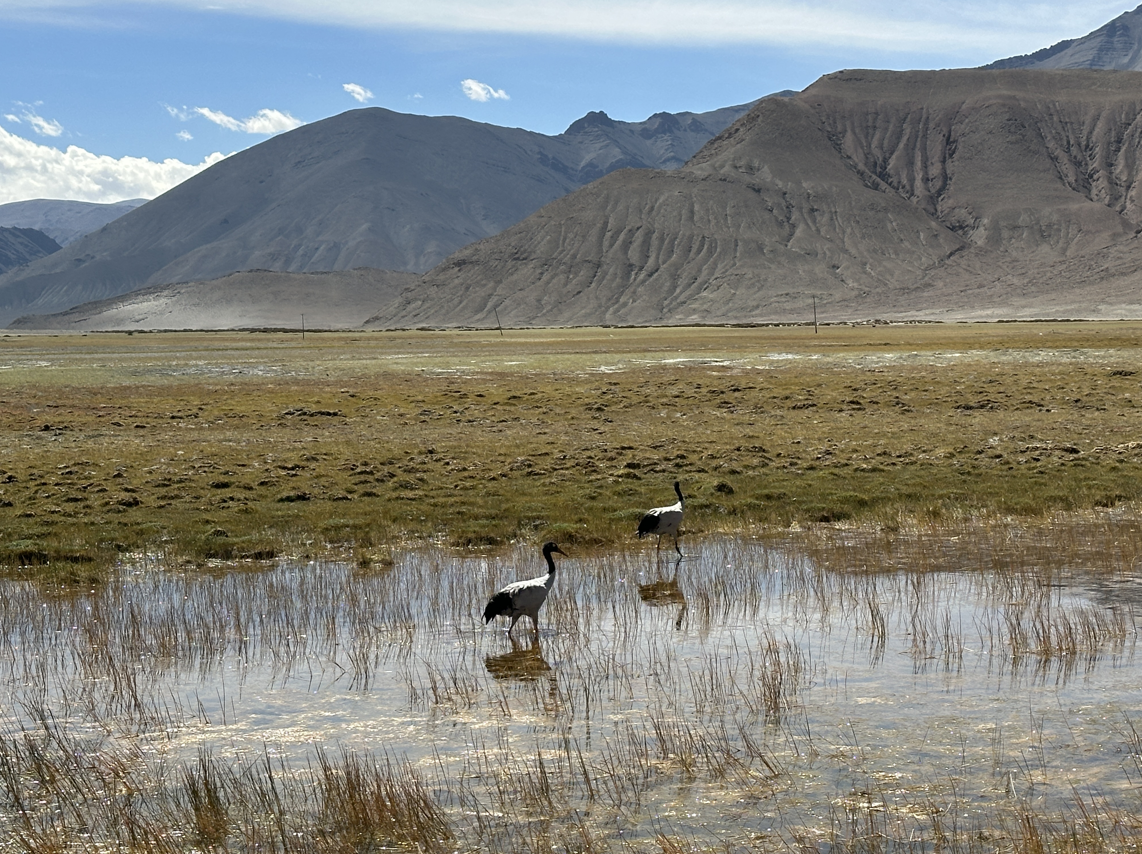 A pair of Black-necked Cranes in the peat-rich Hanle Marshes © GIZ/Yaiphaba Akoijam
The relevance of wetlands goes beyond ecology and economics. This year’s World Wetlands Day theme “Wetlands and traditional knowledge: Celebrating cultural heritage” highlights a dimension often overlooked in policy and planning. For centuries, local communities have managed wetlands through practices grounded in deep ecological understanding: seasonal fishing calendars, rotational harvesting, sacred groves, community water governance, and customary norms that prevent overuse.
The World Wetlands Day platform emphasises that traditional knowledge systems are not relics of the past but living, adaptive systems that can complement modern science. In many regions, wetlands remain cultural landscapes as sites of spiritual significance, oral histories, festivals, and identities. Ignoring this human dimension has frequently led to conservation failures, whereas embracing it can unlock more durable and equitable outcomes.
Despite global recognition through instruments such as the Ramsar Convention on Wetlands with over 2,500 Ramsar Sites designated worldwide, pressures continue to mount. India has made notable progress, with 98 wetlands designated as Ramsar Sites, the highest number in Asia and the third highest globally. This reflects growing policy attention to wetland conservation and international commitments.
However, designation alone does not guarantee protection. Across regions, including designated sites, wetlands are drained for agriculture and infrastructure, polluted by untreated wastewater and plastics, fragmented by roads and embankments, and overexploited for fisheries and biomass. Climate change compounds these threats through sea-level rise, altered hydrology, salinisation, and shifting species ranges. In many cases, management plans are either absent, weakly implemented, or disconnected from local development processes.
The real challenge, therefore, lies not in listing wetlands under international conventions, but in ensuring their wise use through sustainable, inclusive, and adaptive management. Effective conservation requires adequate financing, scientific and community-based monitoring, strong institutional coordination, and meaningful participation of local communities whose lives and cultures are closely linked to these ecosystems.
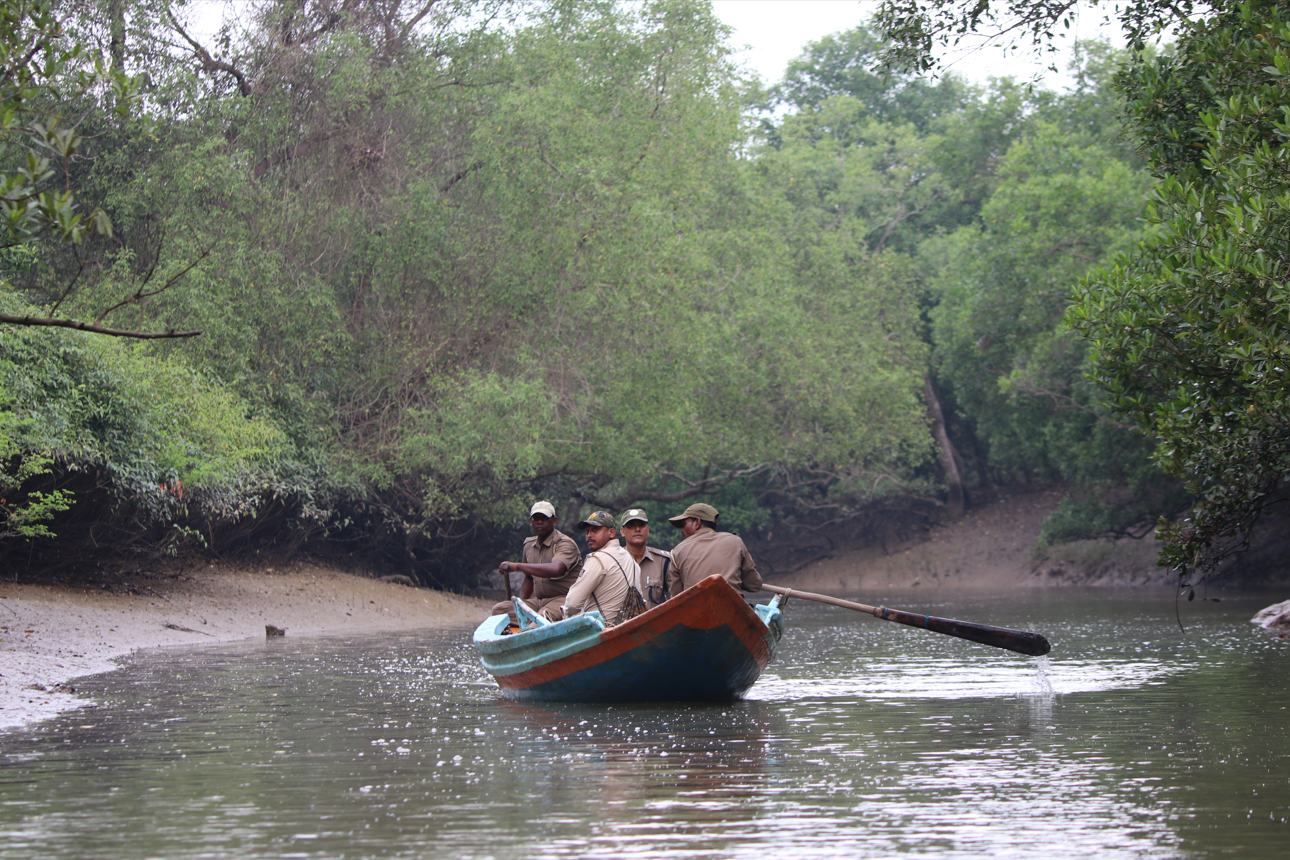 Forest guards navigating the narrow creeks of Bhitarkanika Mangroves © GIZ/Yaiphaba Akoijam
A central challenge remains public perception. Wetlands are still widely seen as “wastelands” or idle spaces awaiting conversion. Changing this narrative is as important as technical interventions. Awareness helps citizens recognise wetlands as natural assets that deliver co-benefits across various sectors such as water, climate, food, health, and culture.
.png) Learning firsthand - young minds exploring Agaramthen Lake © Darwin Annadurai
Learning firsthand - young minds exploring Agaramthen Lake © Darwin Annadurai
Sustainable wetland management requires breaking silos. It demands convergence across departments (water, forests, agriculture, fisheries, disaster management), alignment with local development planning, and respect for community rights and knowledge. When stakeholders share ownership through co-management institutions, transparent decision-making, and benefit-sharing mechanisms, conservation becomes socially legitimate and economically viable.
Looking ahead, wetlands will play a decisive role in achieving global and national goals -from climate adaptation and biodiversity conservation to sustainable development. The Ramsar Convention underscores that “wetlands are critical to our future”, but only if managed wisely. Restoration must go hand in hand with protection, science must work alongside traditional knowledge, and topdown policies must be grounded in local realities.
As climate uncertainty grows, wetlands offer a rare convergence point where nature-based solutions, cultural heritage, and human well-being intersect. Investing in their sustainable and integrated management is not an environmental luxury, it is a pragmatic necessity.
We would like to hear from you. Write to us by clicking on the feedback button on top.
© 2014 IGBP. All Rights Reserved.
Site By: Virtualpages
