
| Commissioned by | Lead Executing Agency |
|---|---|
| German Federal Ministry for Economic Cooperation and Development (BMZ) | CEDAR Retail Private Limited |
| Lead Implementing Agency | Duration |
|---|---|
| GIZ- Deutsche Gesellschaft für international Zusammenarbeit | 2025 - 2027 November |
Water hyacinth is an invasive aquatic plant that has rapidly spread across lakes, rivers and canals in more than 15 Indian states. Forming dense floating mats, it blocks waterways, cuts off light and oxygen, and disrupts fisheries, irrigation and navigation. Driven by land-use change, pollution and climate variability, its spread undermines wetland health, reduces biodiversity and contributes to habitat loss for native species.
For communities living around these wetlands, the weed is both an ecological and socio-economic burden. Women, who are often responsible for water collection, small-scale fishing and household care, are particularly affected when access to clean water and fish resources is obstructed. At the same time, most local initiatives that attempt to utilise water hyacinth face major barriers: removal is labour-intensive and seasonal, technical know-how is limited, and market access for hyacinthbased products remains inconsistent.
As a result, large volumes of biomass remain under-used, while rural women and youth continue to have few viable livelihood options. There is a clear need for an approach that simultaneously reduces ecological pressure from water hyacinth, creates dignified income opportunities, and links community-based production with stable, sustainable value chains.
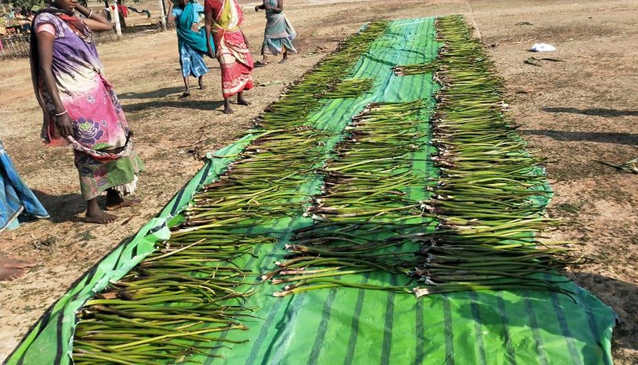
Cut stems are sorted and sun-dried by women’s groups, turning an invasive plant into natural-fibre raw material. | © GIZ / Utkarsh lalhotos: GIZ India/ Utkarsh Lal
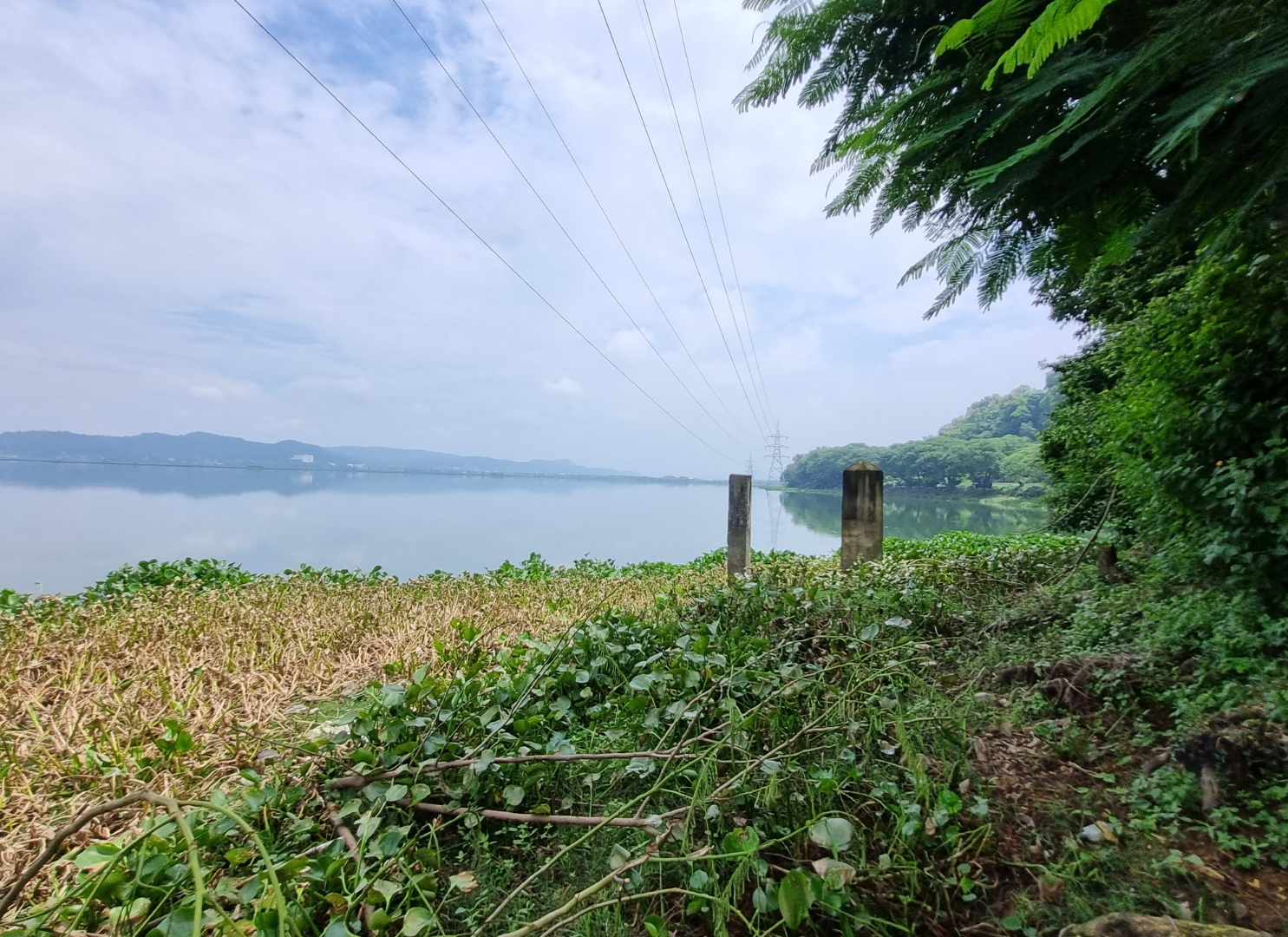
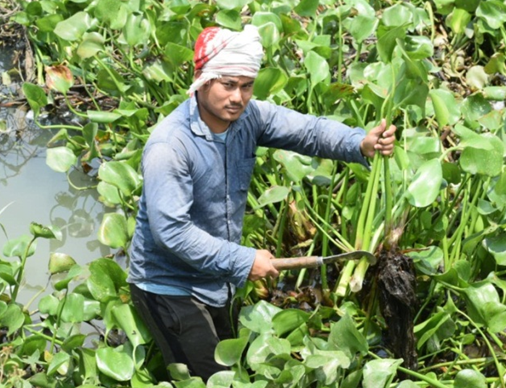
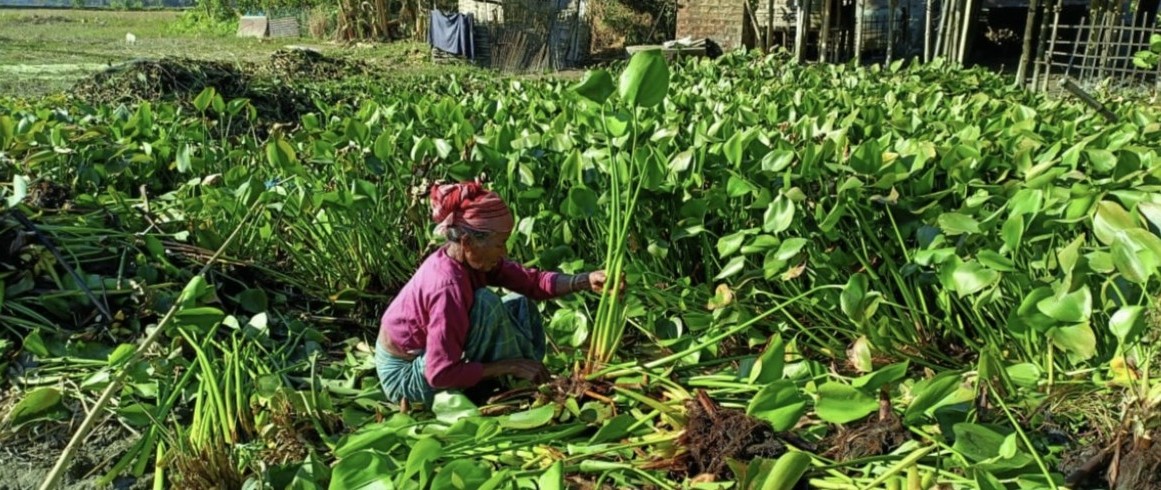
Community-led removal of water hyacinth from clogged waterways. | © CEDAR Retails
Establish a scalable, socially responsible business model that sources water hyacinth from wetlands, strengthens women’s entrepreneurship, and supplies sustainable natural fibres to national and international markets.
The project is implemented as a develoPPP (PublicPrivate Partnership) between GIZ and Cedar Retail (ESAF Group), in collaboration with local civil society organisations, financial institutions and public agencies across selected Indian states
Three main output areas define the implementation approach of the project are:
.png)


All publications of this project can be accessed via the Resources section
© 2014 IGBP. All Rights Reserved.
Site By: Virtualpages